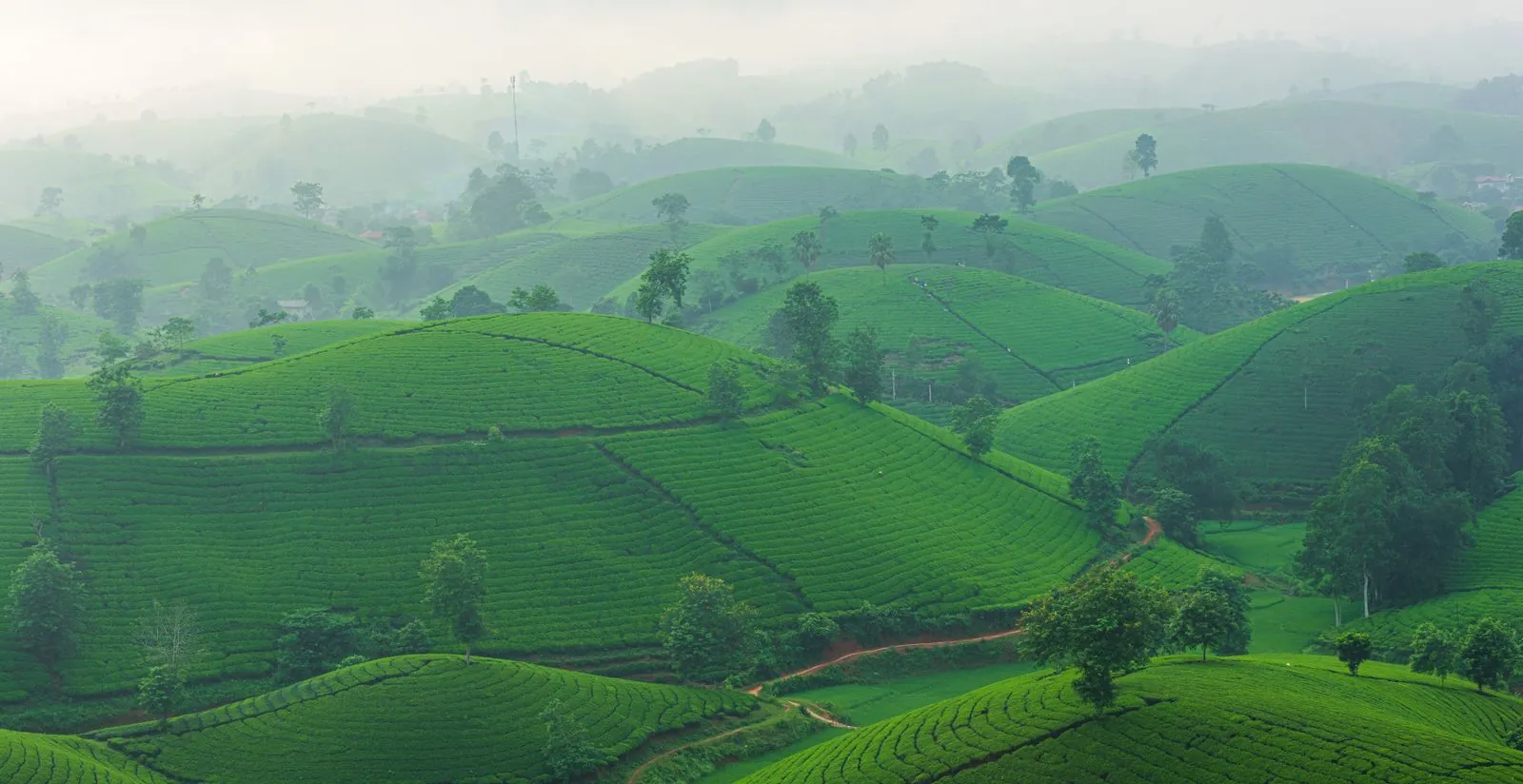
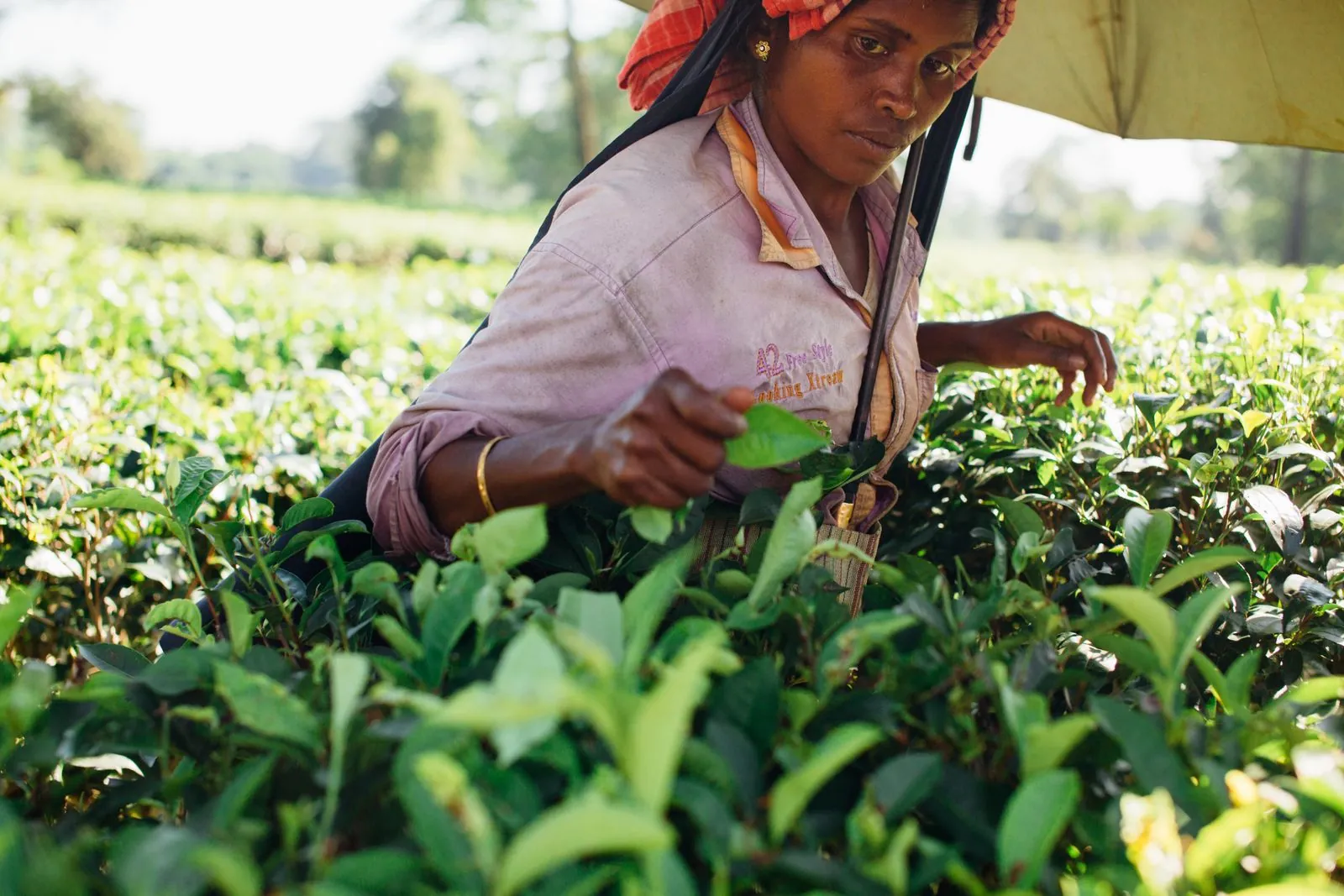
Walk a tea estate in the Sri Lankan highlands at first light and you will see the same quiet gesture repeated ten thousand times: a hand reaches into the bush, finds the tender tip, and takes two leaves and a bud.
Why only the youngest shoots?
The youngest growth of the tea plant (Camellia sinensis) is where flavour is concentrated. The bud and the first two leaves are rich in the compounds that give tea its aroma, sweetness and brightness. Older, tougher leaves yield a flatter, more bitter cup. Picking only the tip is slower — and it is the reason a fine tea tastes different.
Hand-plucking and the highlands
Sri Lanka's best-known estates sit high: Nuwara Eliya reaches roughly 1,800 metres. Cool nights and slow growth at altitude mean the leaf develops gradually, building delicate, layered flavour. Many high-grown teas are valued for exactly this brightness.
From bush to tin
After plucking, the leaf is withered, rolled, oxidised (for black tea) and fired to lock in flavour. The quicker the leaf reaches the factory, the fresher the result. At SirTea, we then carry the leaf across the world to Canada, blend it by hand and seal it in gold so it arrives as it left the hills.
What to look for
When you open a tin of good loose-leaf tea, look for whole, even leaf with some golden tips and a clean, sweet fragrance. That is the signature of a careful pluck.
Try it: explore our three reserves — Earl Grey, English Breakfast and Jasmine Green.