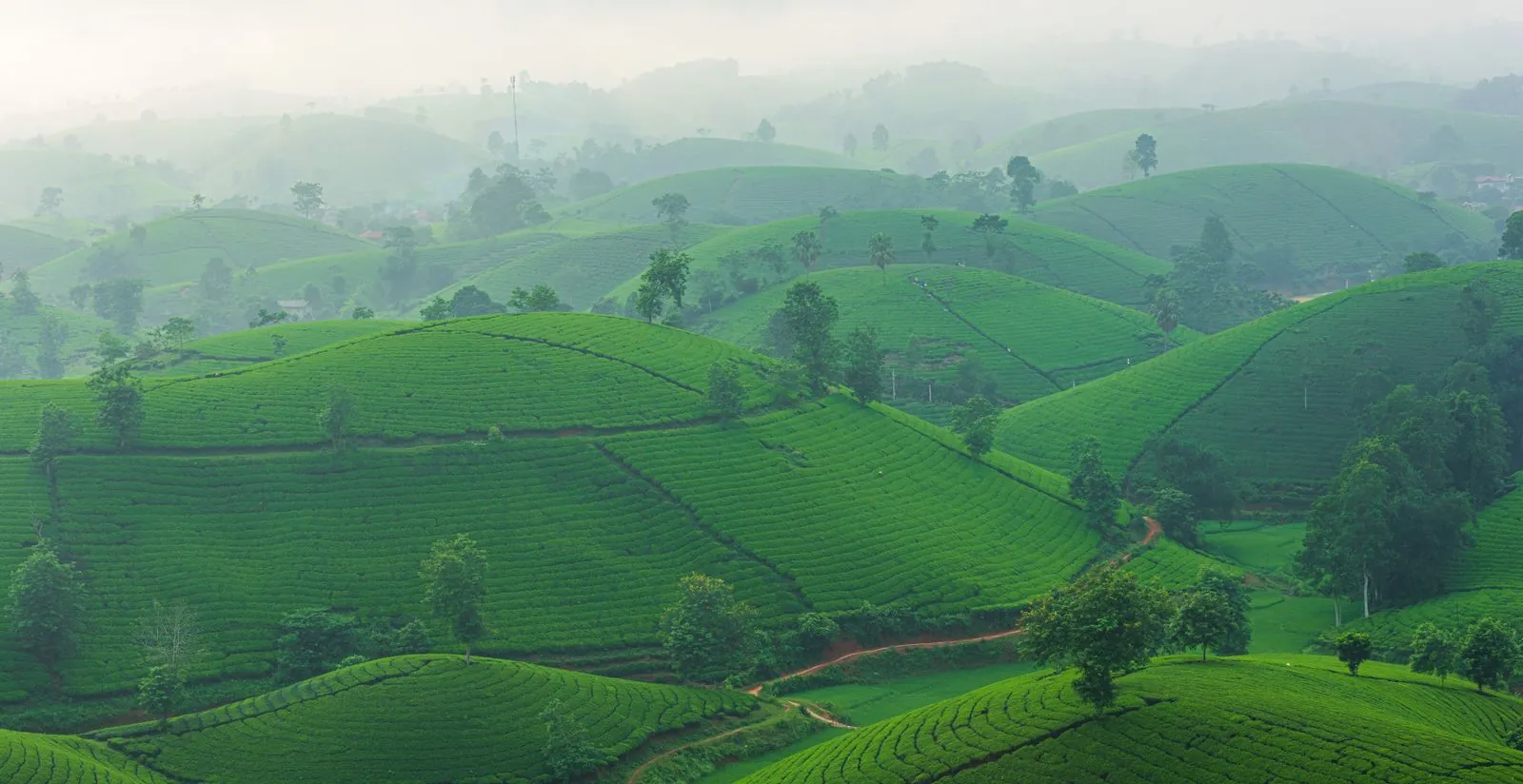
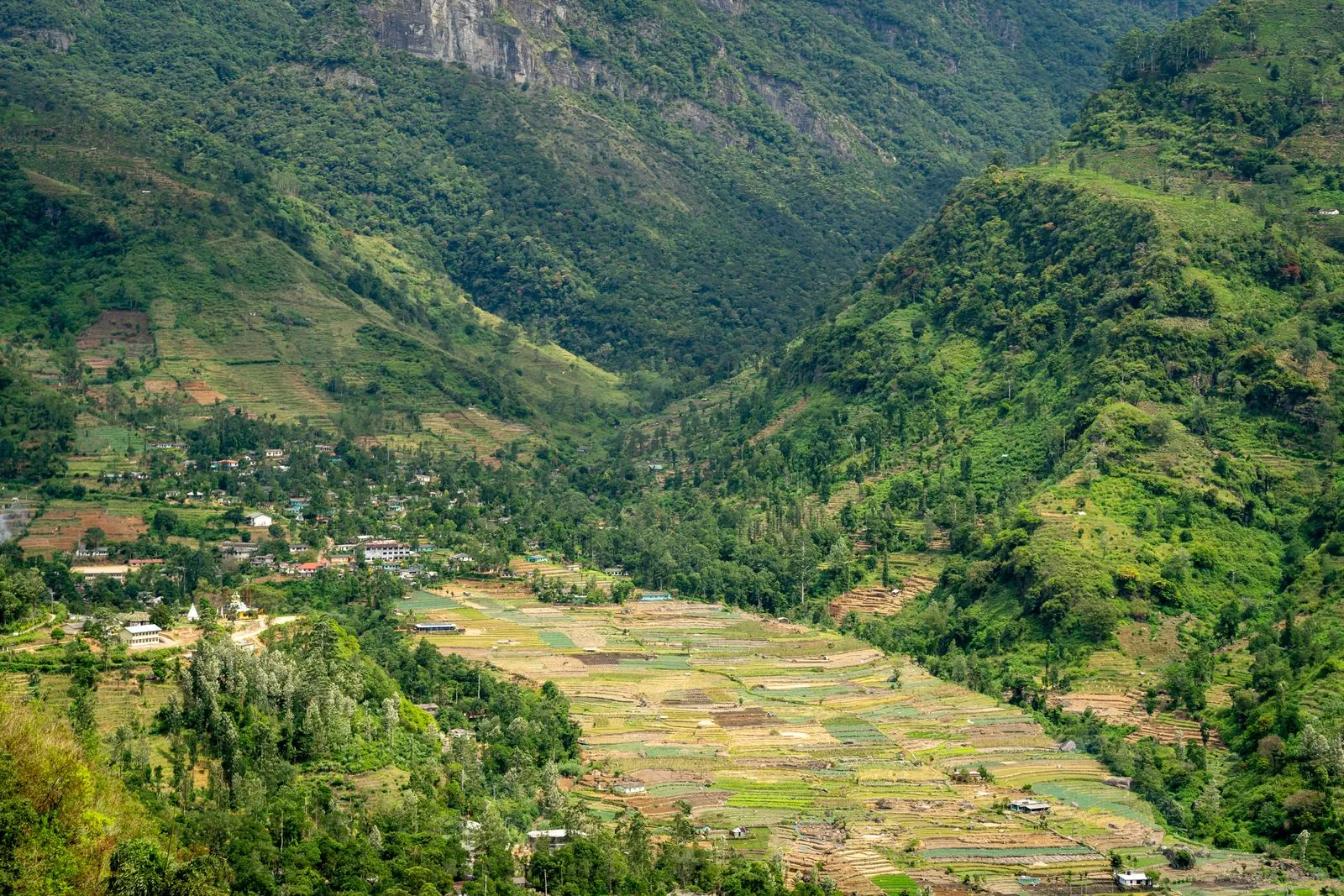
"Ceylon" is the historic name of Sri Lanka, and Ceylon tea remains a mark of quality for black tea around the world.
A short history
Tea planting in Sri Lanka began in earnest in the 1860s. Coffee, the island's earlier cash crop, was devastated by leaf disease, and planters turned to tea. By the late 19th century, the island was a major tea producer — and it still is today.
The growing regions
Sri Lanka is small, yet its tea regions taste distinctly different because of altitude and climate:
- Nuwara Eliya — among the highest estates, producing light, bright, fragrant tea.
- Dimbula — rich and aromatic, strongly influenced by the seasonal monsoon.
- Uva — known for a distinctive, slightly mellow, aromatic character.
- Kandy — medium-grown tea with body and strength.
- Ruhuna / low-grown — full-bodied, darker, and often malty.
Altitude and flavour
Generally, higher elevation means slower growth and a lighter, more delicate and aromatic cup. Lower elevations produce stronger, fuller-bodied tea. A blend such as our English Breakfast draws on Uva and Dimbula for a balanced, malty character, while the base for Earl Grey favours brightness.
Why it suits the Canadian table
Ceylon black tea is brisk and clean, takes milk well and also stands up to a slice of lemon — a versatile partner for a cold-weather country.